OUR BLOG
Cambodia Pchum Ben Festival
- April 1, 2026
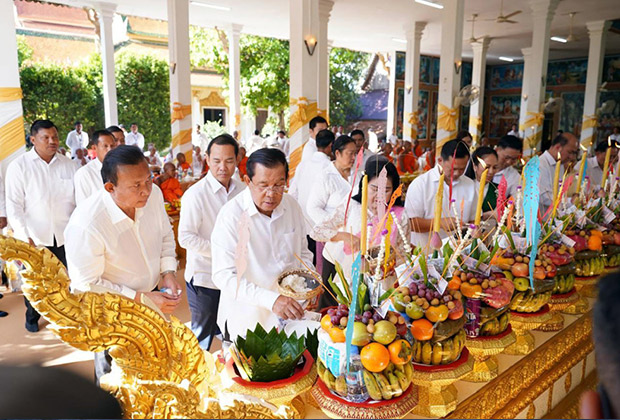
Pchum Ben (Khmer: ភ្ជុំបិណ្ឌ, Phchŭm Bĕnd [pʰcom bən], lit. ’balled rice gathering’ or Khmer: សែនដូនតា, Sen Don Ta, lit. ’offerings for ancestors’ in the Khmer Surin and Khmer Krom communities) is a Cambodian 15-day religious festival, culminating in celebrations on the 15th day of the tenth month in the Khmer calendar, at the end of the Buddhist Lent, Vassa.
The day is a time when many Cambodians pay their respects to deceased relatives of up to seven generations. Buddhist monks chant the suttas in Pali language overnight (continuously, without sleeping) in prelude to the gates of hell opening, an event that is presumed to occur once a year, and is linked to the cosmology of King Yama. During this period, the gates of hell are opened and spirits of the ancestors are presumed to be especially active. In order to liberate them, food-offerings are made to benefit them, some of them having the opportunity to end their period of purgation, whereas others are imagined to leave hell temporarily, to then return to endure more suffering; without much explanation, relatives who are not in hell (who are in heaven or other realms of existence) are also generally expected to benefit from the ceremonies.
In temples adhering to canonical protocol, the offering of food itself is made from the laypeople to the (living) Buddhist monks, thus generating “merit” that indirectly benefits the dead. However, in many temples, this is either accompanied by or superseded by food offerings that are imagined to directly transfer from the living to the dead, such as rice-balls thrown through the air, or rice thrown into an empty field. Anthropologist Satoru Kobayashi observed that these two models of merit-offering to the dead are in competition in rural Cambodia, with some temples preferring the greater canonicity of the former model, and others embracing the popular (if unorthodox) assumption that mortals can “feed” ghosts with physical food.
The Cambodia Water Festival
- April 1, 2026
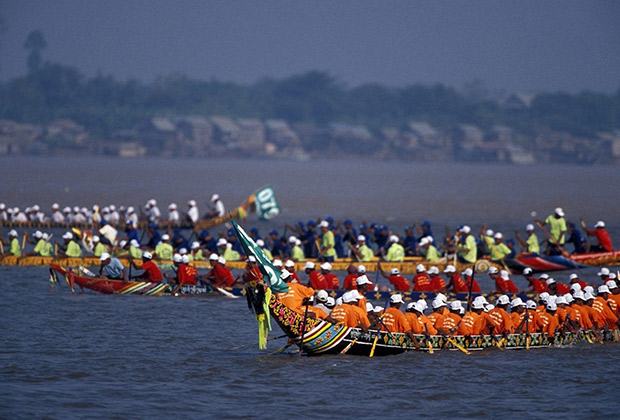
The Cambodia Water Festival, locally known as Bon Om Touk (បុណ្យអុំទូក), is one of the nation’s most significant and vibrant annual celebrations. Scheduled for November 23–25, 2026, the festival marks the end of the monsoon season and the unique natural phenomenon where the Tonlé Sap River reverses its flow to join the Mekong.
- Royal Boat Races (Om Touk): The main attraction features hundreds of brightly colored dragon boats, each holding up to 60-80 rowers, competing on the Tonlé Sap River in front of the Royal Palace.
- Illuminated Float Parade (Bondet Pratib): At night, beautifully lit barges representing various government ministries glide along the river, accompanied by large fireworks displays.
- Moon Salutation and Eating Ambok: On the final night, families gather for Sampeah Preah Khe (Moon Prayer) and Auk Ambok, a ceremony where they eat flattened rice mixed with banana and coconut to honor the “moon rabbit” and pray for prosperity.
- Phnom Penh: The “heart” of the celebration. Millions from across the country gather along the Sisowath Quay riverfront for the largest boat races and grandest evening spectacles.
- Siem Reap: Offers a more intimate experience along the Siem Reap River. Visitors often pair the festivities with visits to the Angkor Wat temple complex.
- Battambang: Known for a more traditional and less crowded version of the boat races, primarily attended by locals.
Happy Khmer New 2026
- April 1, 2026
- The Angel of 2026: The new year will be welcomed by Reaksa Tevy, one of the seven daughters of Kabil Moha Prum. She is associated with wearing black, which represents wisdom and protection.
- Three Days of Tradition:
- Day 1: Maha Sangkran (April 14): People dress in fine clothes, light incense and candles at homes and temples to welcome the new angel.
- Day 2: Veareak Vanabat (April 15): A day of giving charity, honoring parents/elders, and building sand mounds to seek blessings.
- Day 3: Veareak Laeung Sak (April 16): The cleansing day, involving the cleaning of Buddha statues with scented water (Pithi Chroah Teuk) and washing elders.
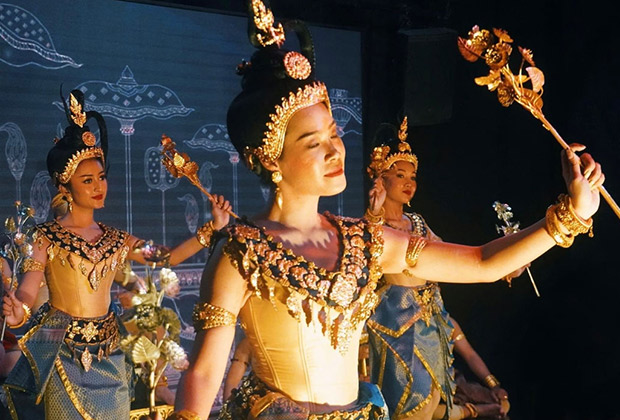
- Festivities: Expect traditional games like Bos Angkunh (seed tossing), Chhoung (scarf throwing), and lively dancing, alongside street water fights.